Broodstock Collection
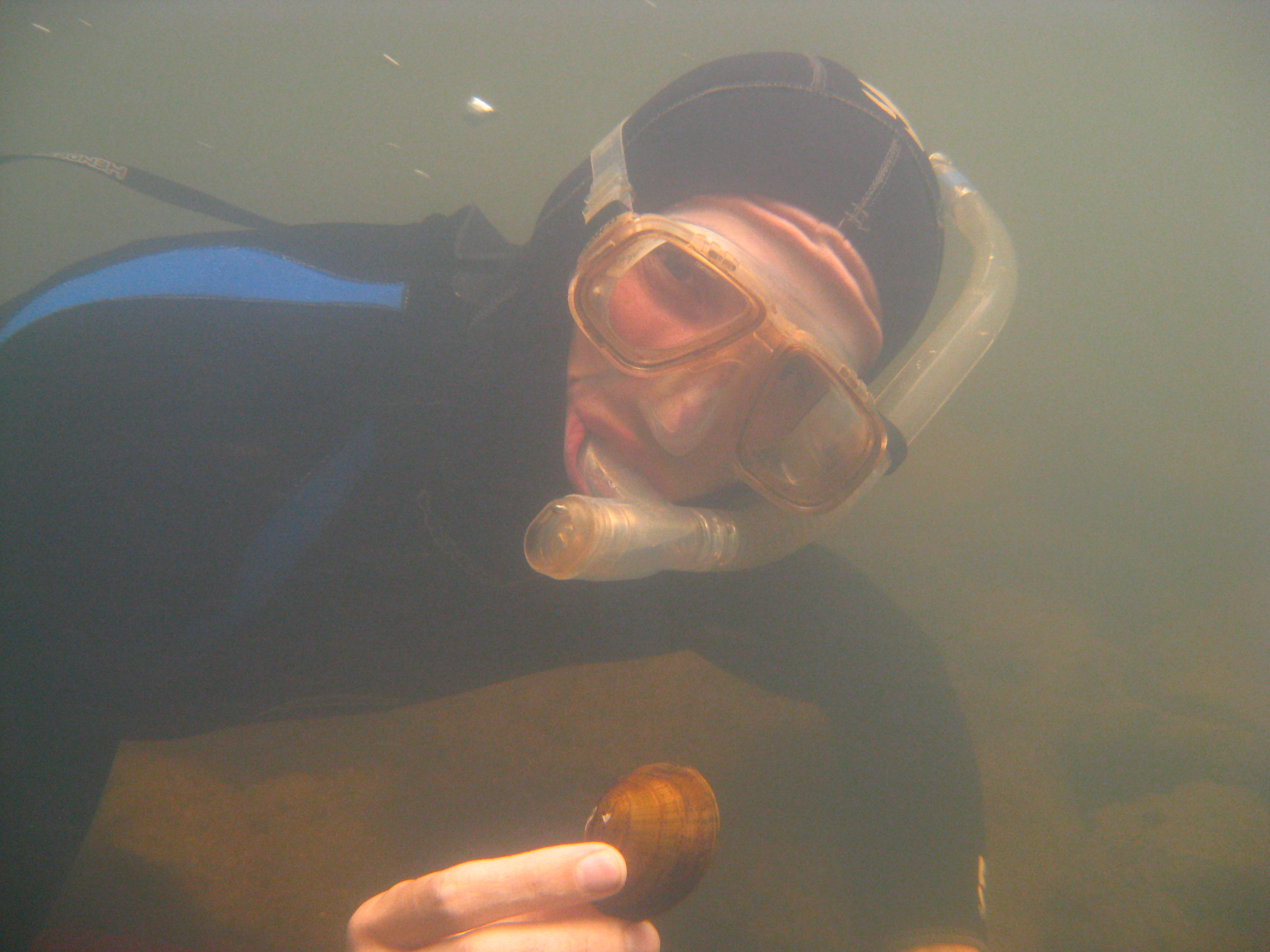
Most propagation involves collecting gravid females (females holding larvae) from the wild. With some species that are especially rare, the only way to obtain larvae is to gradually collect males and females over time so that they spawn in captivity.
Host Fish Collection
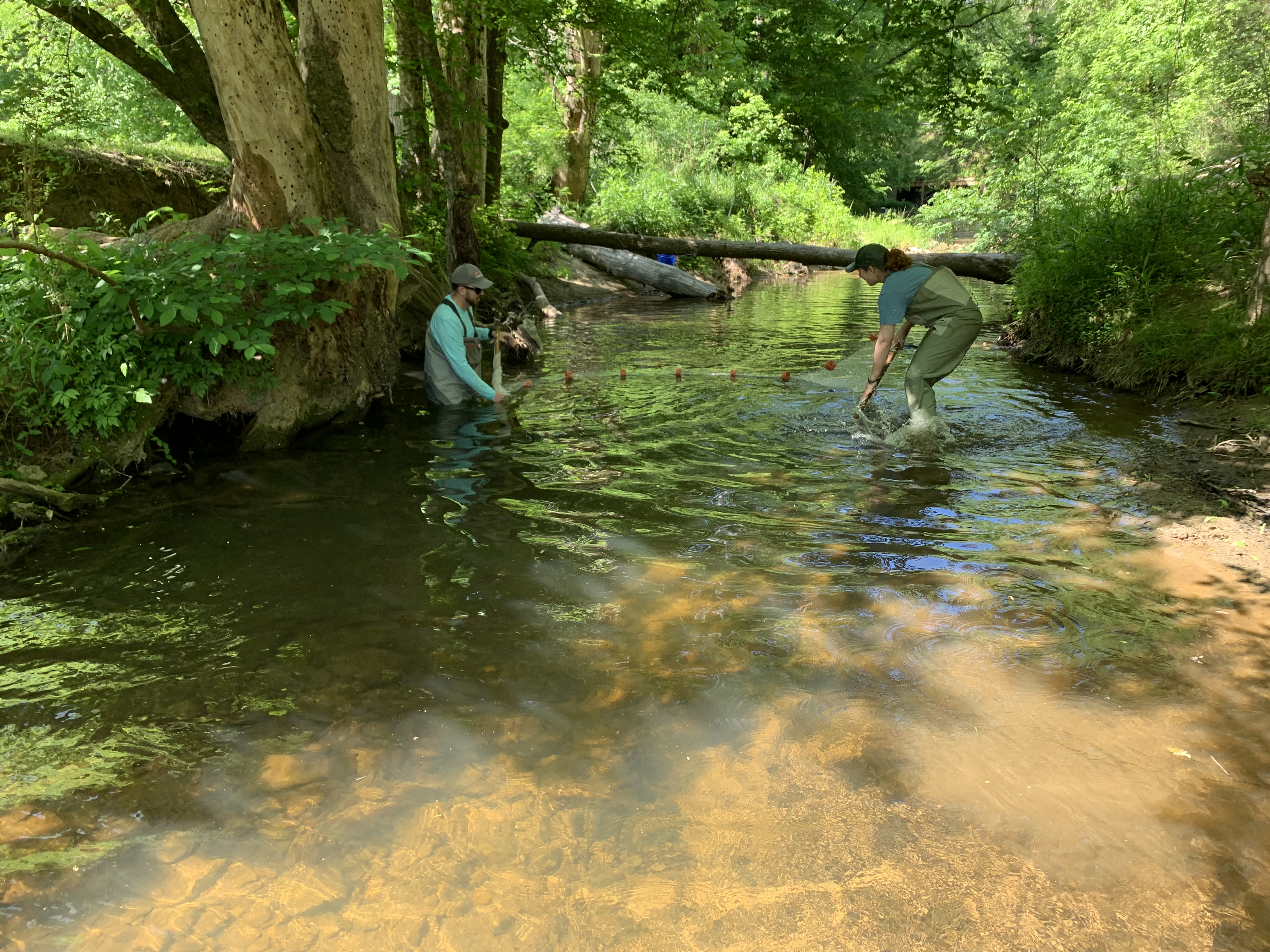
Host fish are sometimes collected from the wild by seining local streams. Some host fish species can be purchased from hatcheries. The Edenton National Fish Hatchery has propagated both Tessellated Darters and White Shiners for us to use in propagation.
Larval Collection
While some mussels species do best when allowed to release their larvae on their own, other species require that we flush the larvae from their gills using a water-filled syringe.
Fish Inoculation
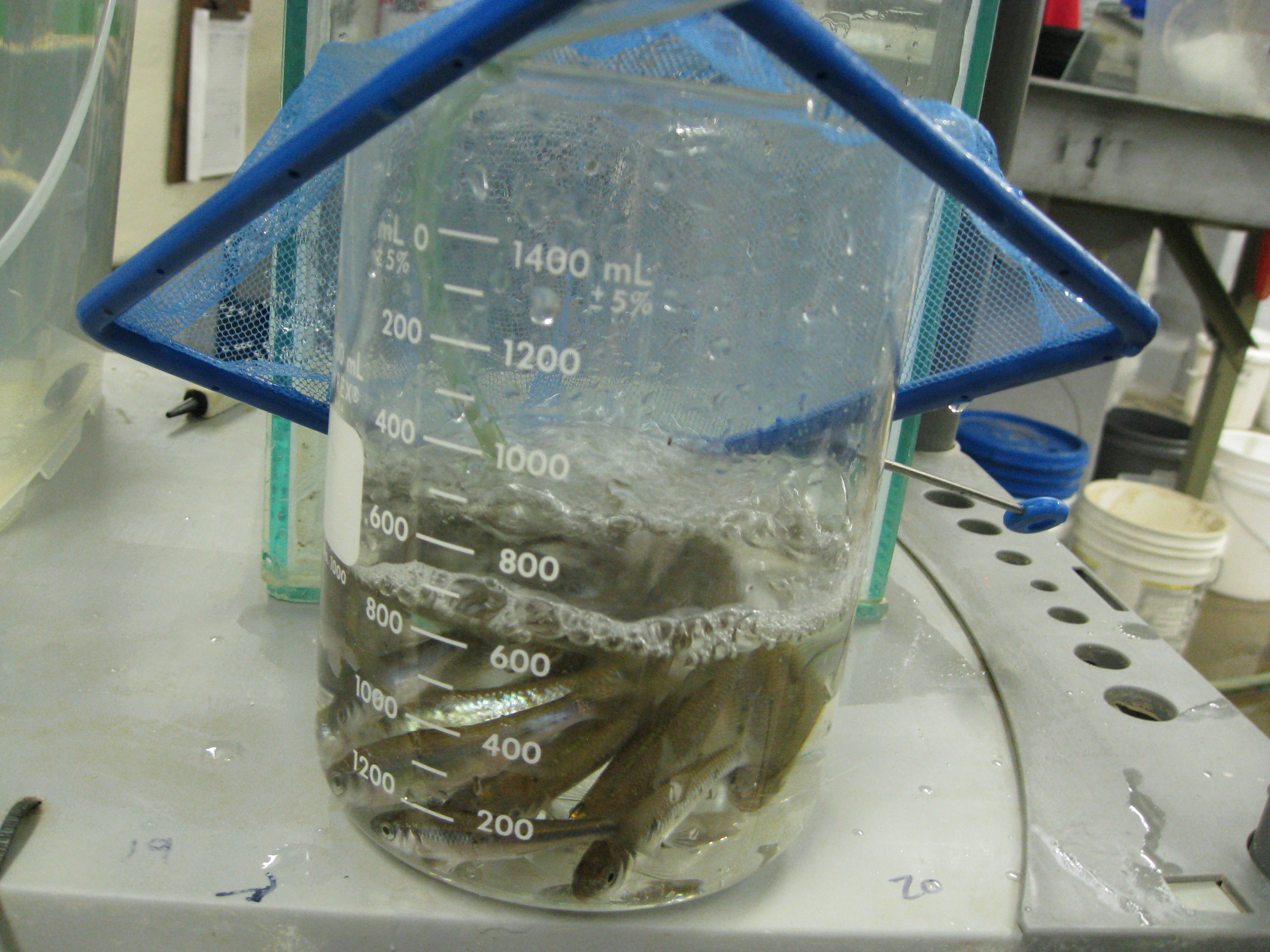
Glochidia are placed in a small volume of water and bubbled together with the host fish for anywhere from 10-30 minutes on average.
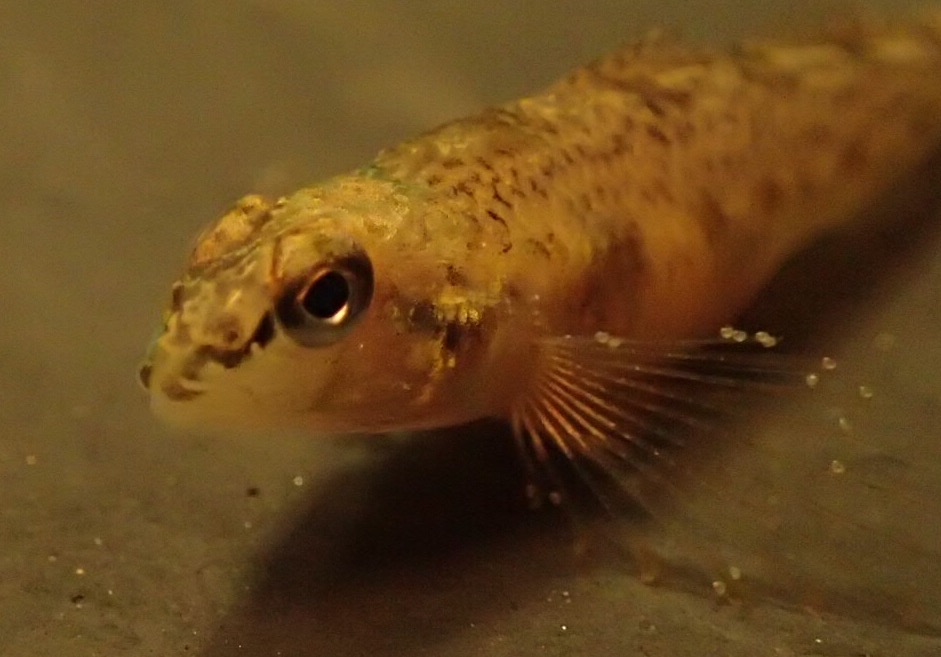
Waiting for metamorphosis
Inoculated fish are held in recirculating aquaculture systems for 2-4 weeks depending on species and temperature until the metamorphosed juvenile mussels drop off. Those new mussels are swept into a mesh basket that is checked daily. Those new mussels are counted and moved into our rearing systems.
Newly metamorphosed juvenile mussels
When mussels first drop off the fish they are usually between 150-300 microns in size. That is barely visible to the naked eye as the tiniest of specks. This is microscope footage to show how active they are at this stage, constantly using their foot and the cilia on their foot and inside their shell to capture food particles and move them to their mouth.
 Yates Mill Aquatic Conservation Center at NC State University